
Introduction
Waste bins are used throughout a hotel, yet one design rarely suits every location. Guestrooms, bathrooms, corridors, offices, meeting rooms, restaurants, kitchens, and outdoor areas produce different types and volumes of waste. A bin that appears elegant in a bedroom may be too small for a banquet area or unsuitable for damp bathroom conditions. Purchasing teams should therefore begin with a location survey and discuss collection routines with housekeeping, food and beverage, engineering, and hygiene teams. Capacity, material, liner size, lid mechanism, fire considerations, cleaning access, and visual style all affect the choice. Well-selected bins support cleaner spaces and more efficient collection without drawing unnecessary attention. They also give staff consistent equipment that can be emptied, washed, moved, and replaced safely during normal hotel operations.
1. Match Capacity to Each Location
Capacity should reflect expected waste volume and collection frequency rather than using the same bin everywhere. A compact guestroom bin may handle paper and light packaging, while bathrooms need a suitable size for personal waste and convenient placement. Meeting rooms and public areas can experience sudden demand during events, requiring larger capacity or more frequent checks. Restaurants, kitchens, and staff areas often need specialised bins that fit food-safety and separation procedures. The team should observe peak periods, identify what is usually discarded, and measure the space available around furniture, doors, counters, and service routes. An oversized bin can obstruct circulation and look untidy, while an undersized bin overflows quickly and increases labour. Documenting location, capacity, liner size, and emptying schedule helps departments maintain a reliable standard and simplifies future replacement orders.
2. Select Suitable Materials and Finishes
Bin materials should tolerate the conditions in which they will be used. Metal finishes can provide a refined appearance and durability, but they should resist corrosion and fingerprints where required. Durable plastics may be lighter and easier to wash, making them practical for back-of-house areas or locations exposed to moisture. Bathroom bins need materials that handle humidity and frequent cleaning, while outdoor products may require weather resistance and stable bases. Surface colour and texture should coordinate with the surrounding interior without making dirt difficult to detect during inspection. Edges, joints, pedals, lids, and inner buckets deserve attention because these components affect safety and cleaning. Samples should be reviewed under the property’s actual lighting and cleaning routine. A finish that looks good in a catalogue may behave differently after repeated contact with disinfectants, liners, and daily handling.
3. Review Lids, Liners, and Hygiene
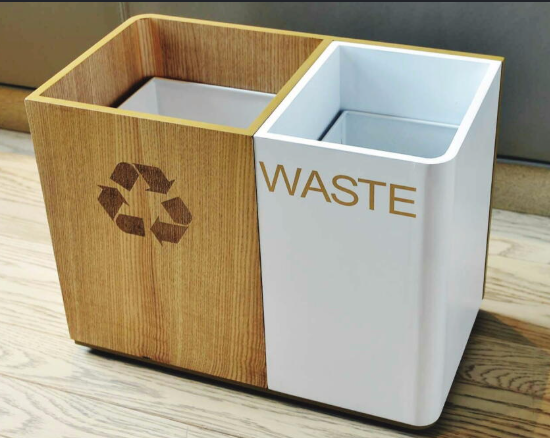
Open bins offer simple use and quick emptying, while lids can conceal waste, control odour, or reduce contact depending on the mechanism. Swing lids, pedal lids, push lids, and removable covers each create different cleaning and maintenance needs. Pedals should feel stable and remain accessible without causing the bin to move. Inner buckets can simplify liner changes and protect the outer shell, but they add parts that must be washed and stored. The hotel should choose standard liner sizes where possible so purchasing does not manage many similar consumables. Liners must fit securely without appearing untidy around the rim. For waste separation, colours, symbols, or labels should be clear for guests and staff. Hygiene procedures should specify how often bins are emptied, washed, disinfected, dried, and inspected, including the lid and pedal areas that staff frequently touch.
4. Consider Safety and Maintenance
Bins placed in guest areas should remain stable, free from sharp edges, and easy to position without damaging floors or furniture. Fire-safety requirements may influence materials or lid designs in certain locations, so properties should follow their applicable building and operational standards. Units on busy routes should not narrow exits or create trip hazards. Maintenance teams need access to replacement pedals, hinges, wheels, lids, or inner containers when the design includes moving parts. Standardising a smaller number of models can make spare-part management and staff training easier. Before a large order, housekeeping should test lifting, liner removal, washing, drying, and return to service. The best design is one staff can maintain thoroughly without excessive time. Regular inspection prevents damaged bins from weakening the appearance of otherwise well-prepared guestrooms and public spaces.
Planning Waste Bins With a Supplier
A useful supplier brief should list each area, intended waste type, preferred capacity, available dimensions, material, finish, lid style, liner requirements, quantity, and delivery date. Photographs of the room or interior palette can help identify models that fit the design. Hotels should request exact measurements and clarify whether stated capacity includes an inner bucket. Bali Hotel Amenities by Orensa supplies waste bins as part of a wider housekeeping and hotel supplies collection, alongside trolleys, cleaning tools, laundry bags, linen, amenities, and room accessories. Coordinating these categories helps the property consider storage, collection, and room presentation as one operating system. Sample evaluation remains valuable because staff can confirm stability, cleaning access, and liner compatibility before final approval. Clear specifications make future replenishment faster and reduce inconsistent bins across the property.
More Information
For waste-bin options and hotel purchasing assistance, visit https://balihotelamenities.net, contact WhatsApp +62 895-1800-4748, or email sales@orensaglobal.com.